Practical tips
The best time to visit Morocco, season by season and region by region
Spring and autumn suit almost everywhere, but the right month depends on whether you are heading for the coast, the cities, the Atlas or the Sahara. A practical guide, with Ramadan explained.
By Go Beyond Morocco5 min read
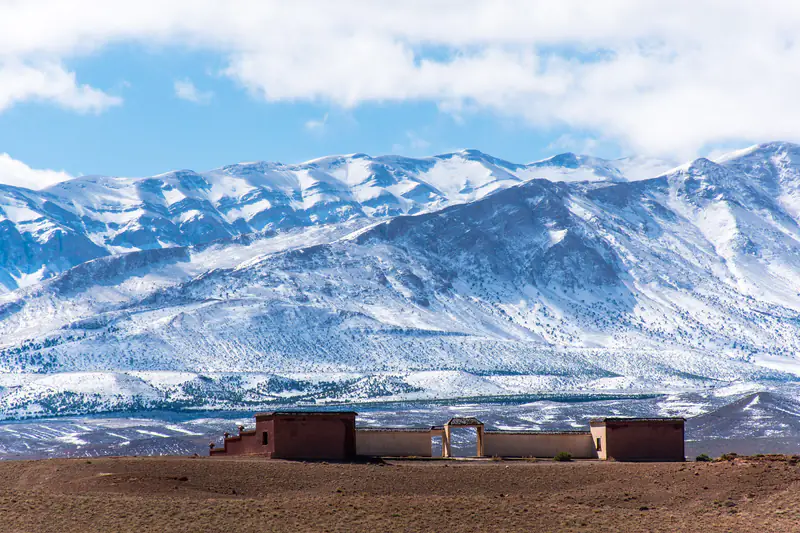
There is no single best month for Morocco, because there is no single Morocco. In the same week of April you might walk through Marrakech in shirtsleeves, watch snow on the summits of the High Atlas and wrap yourself in a blanket by a desert fire. The country runs from the Mediterranean to the edge of the Sahara, with mountains above 4,000 metres in between, and each region keeps its own calendar.
The short answer is that spring and autumn are comfortable almost everywhere. The longer answer, which is the one that shapes a good journey, depends on where you want to be and what you want to do there.
Four climates in one country
The Atlantic coast is tempered by a cool ocean. In Essaouira average daytime highs barely move through the year, from about 18°C in January to about 22°C in July and October. What changes is the wind: the trade winds that have made the town a kitesurfing destination blow hardest in summer.
The imperial cities and the plains have hot summers and cool winters. Marrakech averages highs of about 19°C in January, 26°C in April and close to 38°C in July, with winter nights around 6°C. Fez, further north and higher, is cooler in winter (nights average under 4°C in January) and much wetter, with most of its rain falling between November and March.
The High Atlas follows the altitude. Snow usually arrives on the high ground in late October or November and can linger on the summits into late April. Jebel Toubkal, at 4,167 metres the highest peak in North Africa, is a winter mountaineering objective and a spring-to-autumn trek. In July and August, the lower valleys can still reach about 30°C.
The pre-Sahara and the desert have the widest swings. Ouarzazate averages 17°C by day in January but under 2°C at night, and nearly 39°C by day in July. At Errachidia, the nearest weather station to the dunes of Merzouga, the average July maximum is about 39.5°C.
Season by season
Spring: March to May
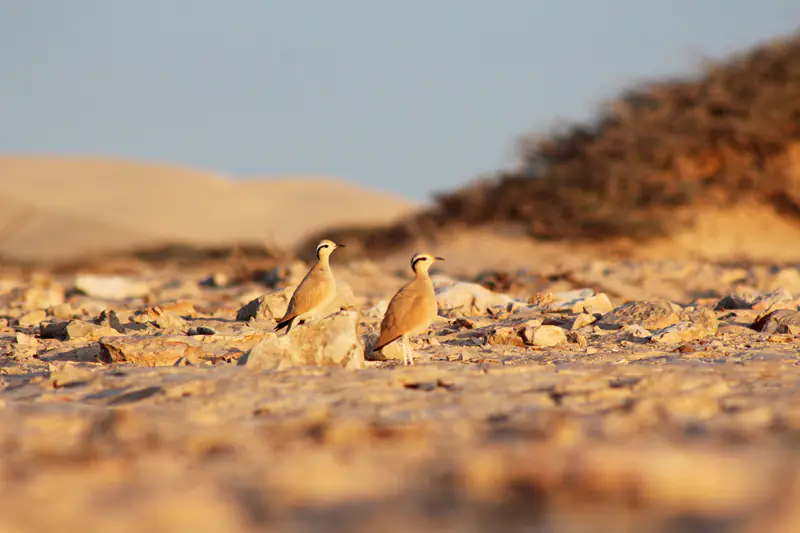
For most travellers this is the finest season. The Atlas valleys turn green and fill with wildflowers by April; the cities are warm without being hot; and the desert is comfortable by day, if fresh at night. Spring is also the high season for birdwatching, when resident species breed and migrants pass through (see our guide to birdwatching in Morocco).
Two caveats. Snow can remain on the highest trails into late April, so a Toubkal ascent early in the season may still call for crampons. And spring is the windiest time in the Sahara: some days bring a haze of sand that softens the dunes and the views.
Summer: June to August
Inland, summer is hot. Marrakech, Fez and the southern valleys regularly pass 35°C, and the desert becomes demanding, with afternoons that are best spent in the shade.
Summer has its own logic, though. The Atlantic coast stays mild, so Essaouira and the coast to its south are pleasant if you do not mind the wind. The higher valleys of the Atlas are at their most accessible, with long days for walking above the heat; we explore them in our guide to the High Atlas beyond Imlil. In the cities, an early start, a long lunch and a riad with a shaded courtyard make the days easy.
Autumn: September to November
Autumn is spring's equal and, for some, its better. The heat of summer ebbs through September; October brings clear light, warm days and cool nights in the south; the Atlas has its second walking season before the first snows. The desert becomes comfortable again from October, and the long, still evenings of late autumn are among the best times to sleep in a camp among the dunes, as described in our guide to choosing your Sahara.
In the north, the first substantial rains usually arrive in November.
Winter: December to February
Winter is underrated. Marrakech has sunny, mild days, though the nights are cold and old houses can be chilly, so choose a riad with good heating. The High Atlas is under snow: beautiful to look at, walkable in the lower valleys, and a serious mountain above them, where winter ascents should only be made with a guide and proper equipment. The main road over the Tizi n'Tichka pass between Marrakech and Ouarzazate is occasionally closed after heavy snowfall, usually for a short time, so leave some slack in a winter itinerary.
In the desert, winter days are bright and pleasant, but nights fall close to freezing. Good camps provide heavy blankets, and a fire under a clear sky is no hardship. On the coast and in the northern wetlands, winter is the season for wintering waterbirds.
Region by region at a glance
| Region | Best months | Also good | Think twice |
|---|---|---|---|
| Atlantic coast (Essaouira, Agadir) | April to October | November to March: mild, fresher, more rain | June to August if you dislike wind |
| Imperial cities (Marrakech, Fez, Meknes) | March to May, October and November | December to February: sunny days, cold nights, rain in Fez | July and August, for the heat |
| High Atlas walking | April to June, September and October | July and August in the higher valleys | December to March above the snow line, unless experienced and guided |
| Sahara (Merzouga, Erg Chigaga) | October and November, March and April | December to February: cold nights | June to August, for the heat |
Ramadan: how it moves and what it changes
Ramadan, the month of daytime fasting, follows the Islamic lunar calendar, which is about eleven days shorter than the solar year. It therefore begins earlier each year. In 2026 Morocco began Ramadan on 19 February and celebrated Eid al-Fitr, the feast that ends it, on 20 March. In 2027 it is expected to begin around 8 February; in Morocco the exact day is confirmed only by the sighting of the new crescent moon the evening before.
Travelling during Ramadan is perfectly possible, and often rewarding. Days are quieter and opening hours shorter; many cafés and local restaurants close until sunset, although hotels and riads generally continue to serve their guests. At dusk the streets empty for ftour, the meal that breaks the fast, then fill again late into the evening. Eating, drinking and smoking discreetly in public during the day is a simple courtesy. For more on customs, see our guide to travelling in Morocco with respect.
Travelling it with us
A private journey can follow the weather rather than fight it: the desert in October and the coast in July, the Atlas valleys in May, Marrakech in the winter sun. Tell us when you can travel and what draws you, and we will suggest the route that suits the season. Start the conversation here.